
USB 3.2 Cable Buying Guide 2026: Speed Tiers, Compatibility & What to Look For
The USB 3.2 specification remains the workhorse of modern connectivity in 2026. While USB4 cable and Thunderbolt 5 cable technologies grab headlines with their 80Gbps+ speeds, the vast majority of real-world peripherals – from external hard drives and docks to smartphones and cameras – still rely on the versatile, cost-effective USB 3.2 Cable standard.
This buying guide from Eilinks Electronics, a trusted USB-C cable manufacturer, breaks down everything you need to know about USB 3.2 cables: the different speed generations, how to identify genuine performance ratings, and which cable type best matches your specific use case.
Understanding USB 3.2 Speed Generations
USB 3.2 consolidated all previous USB 3.x naming conventions into a unified tier system. Understanding these tiers is critical when shopping for cables, as the difference between a Gen 1 and Gen 2×2 cable can mean transferring a 100GB file in under two minutes versus over fifteen minutes.
| Tier Name | Former Name(s) | Data Rate | Typical Use Cases |
|---|---|---|---|
| USB 3.2 Gen 2×2 | USB 3.2 Gen 2×2 | 20 Gbps (2500 MB/s) | NVMe external SSDs, high-speed backup, video editing workflows |
| USB 3.2 Gen 2 | USB 3.1 Gen 2 / USB 3.0 | 10 Gbps (1250 MB/s) | Fast HDD/SSD enclosures, phone data transfer, docking stations |
| USB 3.2 Gen 1 | USB 3.0 / USB 3.1 Gen 1 | 5 Gbps (625 MB/s) | Basic fast storage, printers, scanners, most USB-C phones |
| USB 2.0 | Hi-Speed USB | 480 Mbps (60 MB/s) | Keyboards, mice, basic accessories (not USB 3.2) |
Note that USB 3.2 Gen 2×2 requires special internal wiring – specifically, dual-lane operation using both sets of SuperSpeed data pins inside the USB-C connector. Not all USB-C cables support this configuration, so always check the packaging or product description carefully.
USB-C vs USB-A: Which Connector Type Do You Need?
All modern USB 3.2 cables use the reversible USB Type-C connector at one end. The other end may be:
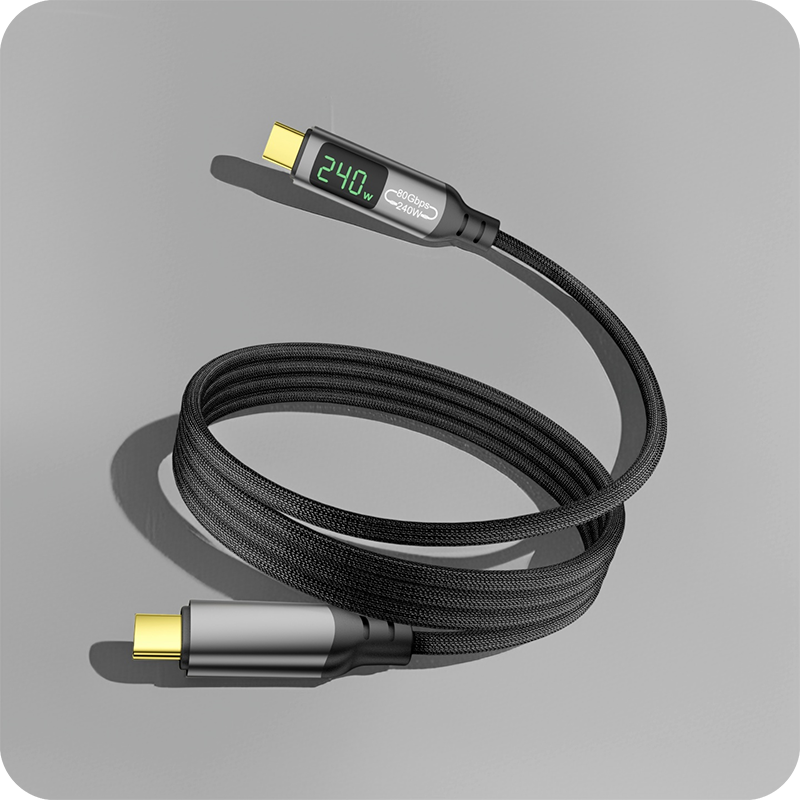
- USB-C to USB-C: Most common format for connecting laptops, tablets, phones, docks, and monitors. Supports full Power Delivery charging capabilities including 240W USB-C EPR on compatible cables.
- USB-C to USB-A: Legacy-friendly option for connecting newer laptops to older PCs, USB hubs, or devices with traditional rectangular ports. Data speed is limited to whichever end has lower capability.
- USB-C to Micro-B / USB-B:
Specialized formats for specific equipment like external hard drives, professional audio interfaces, and certain industrial devices. For new purchases in 2026, we strongly recommend going with USB-C to USB-C configurations wherever possible, as this ensures maximum forward compatibility with future devices.
Cable Quality Factors That Actually Matter
Wire Gauge and Shielding
A quality USB 3.2 Cable uses thicker-gauge copper conductors (28 AWG minimum for power lines, 26-28 AWG for data pairs) wrapped in braided foil shielding plus an overall aluminum-mylar shield layer. This construction minimizes signal degradation at 10Gbps-20Gbps speeds and reduces electromagnetic interference in busy office environments. Budget cables often cut corners by using thinner wires (30+ AWG) and single-layer shielding – acceptable for 5Gbps but unreliable at higher speeds.
Connector Durability
The USB-C connector should feature gold-plated contact pins (minimum 3 microns thickness) and a reinforced metal shell around the base where the cable meets the plug. Premium cables from manufacturers like Eilinks Electronics undergo 10,000+ insertion/extraction cycle testing to ensure long-term reliability in daily use scenarios.
Jacket Material and Flexibility
- PVC jackets: Inexpensive and widely available but prone to cracking in cold environments and showing permanent kink marks after bending.
- TPE (Thermoplastic Elastomer): Softer, more flexible than PVC, excellent cold resistance, and environmentally friendlier. Our recommended choice for everyday use.
- Braided nylon: Maximum physical durability with resistance to pets chewing, desk-edge abrasion, and tangling. Ideal for travel and rugged deployments.
Cable Length Limits by Speed Tier
Speed Tier Passive Copper Max Length Notes USB 3.2 Gen 2×2 (20Gbps) ~1 meter (3.3 ft) Longer cables require active repeater chips USB 3.2 Gen 2 (10Gbps) ~3 meters (9.8 ft) Quality passive cables available up to 2m reliably USB 3.2 Gen 1 (5Gbps) ~5 meters (16.4 ft) Passive cables widely available up to 3m USB 2.0 (480Mbps) ~5 meters+ Active extension options available beyond passive limits Power Delivery Considerations
If you plan to charge devices through your USB 3.2 Cable, pay close attention to its Power Delivery (PD) rating:
- 60W PD: Sufficient for smartphones, tablets, and ultrabook-style laptops with low-power processors
- 100W PD: Standard for mid-range laptops, most docking station setups
- 240W EPR: Required for high-performance gaming laptops, mobile workstations, and multi-device charging scenarios. Only available on premium USB-C to USB-C cables certified for Extended Power Range operation.
Always verify that both ends of your connection chain support the PD wattage level you need. A 240W charger connected through a 60W-rated cable will only deliver 60W maximum regardless of the power source capability.
Frequently Asked Questions
Q1: Can I use a USB 3.2 cable in a USB4 port?
Absolutely. USB4 ports are fully backward compatible with all USB 3.2 speed tiers. Your device will simply operate at whatever speed the slower component supports. For example, plugging a USB 3.2 Gen 2 (10Gbps) cable into a USB4 80Gbps laptop port will give you 10Gbps throughput – not 80Gbps.
Q2: What is the difference between a USB 3.2 cable and a Thunderbolt cable?
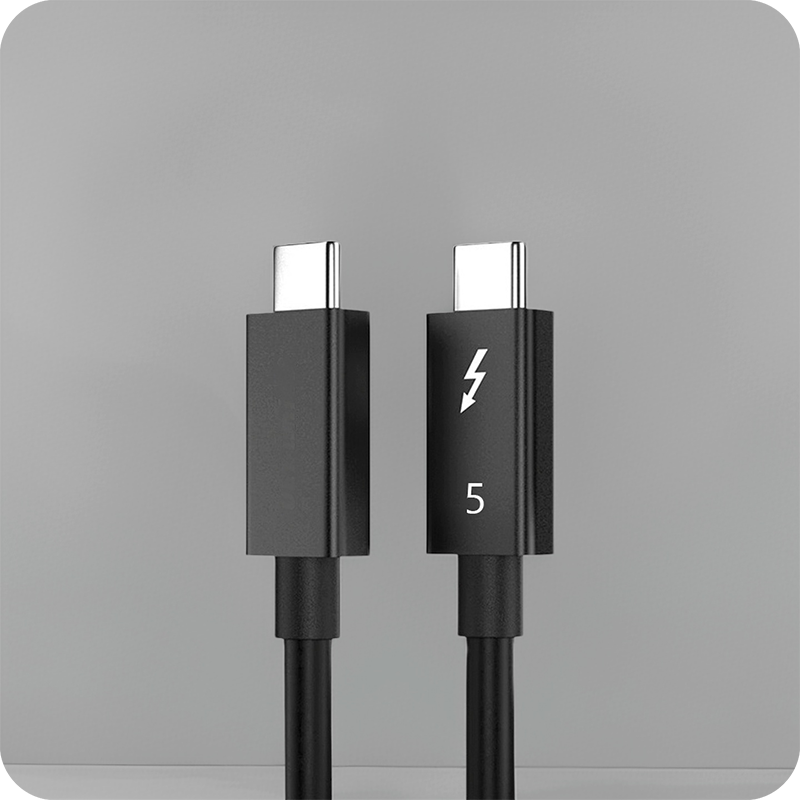
While both can use identical USB-C connectors, Thunderbolt 4 cable products must pass additional certification tests covering PCIe tunneling, DisplayPort output, and stricter electrical parameters. A Thunderbolt cable will always function as a USB 3.2 cable, but a standard USB 3.2 cable cannot handle Thunderbolt-specific features like daisy-chaining multiple displays or connecting eGPU boxes.
Q3: Why do some USB 3.2 Gen 2×2 cables cost $40 while others cost $5?
The price difference reflects quality of materials, manufacturing precision, and whether the cable passed independent USB-IF certification testing. The $5 “Gen 2×2” cable likely uses undersized wires, minimal shielding, unverified performance claims, and no warranty coverage. At Eilinks Electronics, our factory-direct pricing delivers certified quality at competitive B2B rates without the retail markup.
Q4: How do I test if my USB 3.2 cable actually reaches advertised speeds?
Connect it between a high-speed NVMe SSD enclosure and your computer, then run a sequential read/write benchmark tool such as CrystalDiskMark, Blackmagic Disk Speed Test, or ATTO Disk Benchmark. Compare results against the theoretical maximum for your cable’s rated speed tier (subtract roughly 10-20% for protocol overhead).
Q5: Are longer USB 3.2 cables always slower?
Signal attenuation increases with cable length, meaning longer cables may experience slightly reduced effective throughput compared to shorter ones of the same specification. This effect is most noticeable at 20Gbps (Gen 2×2) speeds where even a 0.5-meter length difference can impact measured bandwidth. For critical high-speed applications, choose the shortest practical cable length.
Need Reliable USB 3.2 Cables for Bulk Procurement?Eilinks Electronics manufactures certified USB 3.2 Gen 1, Gen 2, and Gen 2×2 cables with custom branding, lengths, and packaging options for B2B partners worldwide.
