
USB-C Cable for Portable SSD and External Storage 2026
Portable SSDs have become essential tools for photographers, video editors, and professionals needing fast, reliable external storage. The USB-C cable connecting your SSD can make or break your workflow-slow cables create bottlenecks that negate the speed advantages of modern NVMe drives. Eilinks Electronics explains how to maximize your external storage performance.
Understanding External SSD Speeds
Modern portable SSDs leverage NVMe technology over USB, achieving speeds that rival internal drives. However, the USB protocol and cable quality determine whether you achieve these maximum speeds or experience significant slowdowns.
Storage Interface vs Connection Speed
| Storage Type | Interface | Max Speed | USB Requirement |
|---|---|---|---|
| SATA SSD | USB 3.2 Gen 2 | 550 MB/s | 10Gbps cable |
| NVMe SSD | USB 3.2 Gen 2×2 | 2000 MB/s | 20Gbps cable |
| NVMe SSD | USB4/Thunderbolt 4 | 3000+ MB/s | 40Gbps cable |
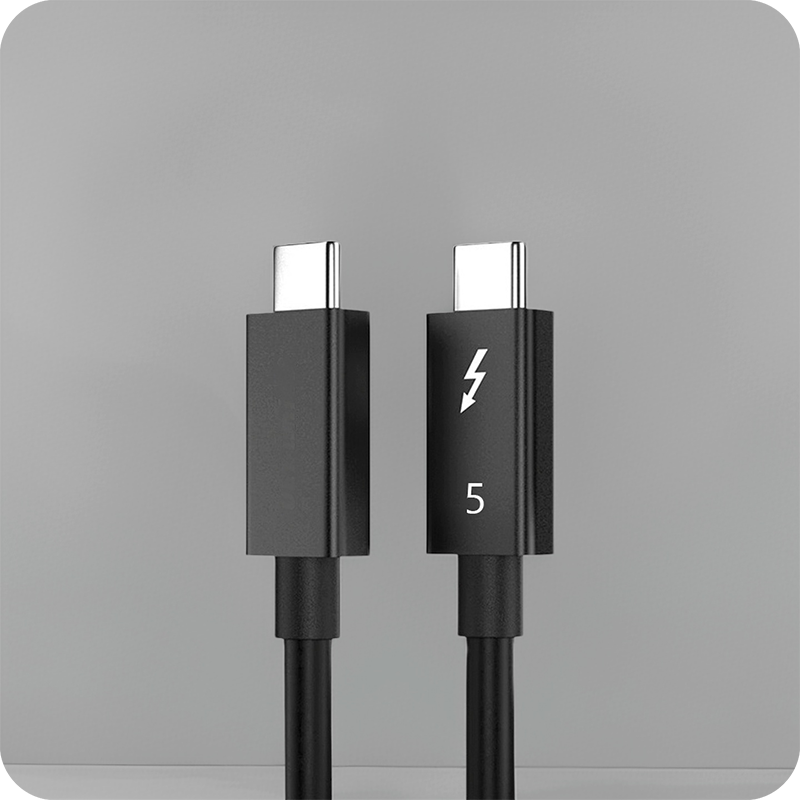
| Thunderbolt 5 | PCIe 4.0 tunneling | 5000 MB/s | 80Gbps cable |
USB Standards and Their Impact
USB 3.2 Gen 1 (5Gbps)
USB 3.2 Gen 1 (formerly USB 3.0) provides 5Gbps bandwidth, sufficient for SATA SSDs and smaller NVMe drives limited by their controllers. Many budget portable SSDs operate within these constraints, making 5Gbps cables perfectly adequate.
USB 3.2 Gen 2 (10Gbps)
At 10Gbps, USB 3.2 Gen 2 supports the majority of portable SSDs including popular models like the Samsung T7 and WD My Passport. These drives saturate their internal controllers, so the cable rarely becomes the bottleneck.
USB 3.2 Gen 2×2 (20Gbps)
USB 3.2 Gen 2×2 doubles bandwidth to 20Gbps using dual-lane operation. This enables high-performance NVMe SSDs like the Crucial X10 Pro to achieve read speeds up to 2,100 MB/s. Not all devices support Gen 2×2, so verify your host and drive capabilities.
USB4 and Thunderbolt 4 (40Gbps)
For professional workflows involving 8K video or large RAW photo batches, USB4 and Thunderbolt 4 enclosures unlock maximum NVMe performance. USB4 cables provide headroom for future storage technology while supporting current high-speed devices.
Cable Quality and Signal Integrity
At high data rates, cable construction quality directly impacts performance. Poorly shielded cables experience signal degradation that reduces effective bandwidth or causes transfer errors requiring retransmission.
Key Cable Specifications
- Proper shielding against electromagnetic interference
- Quality connectors with secure mating
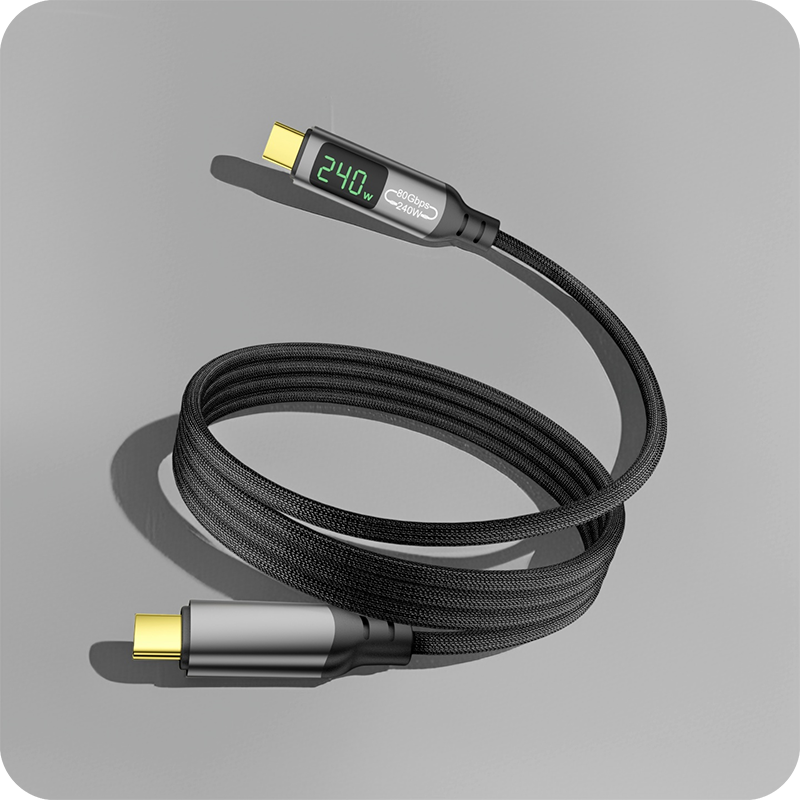
- Short length for maximum speed (1m or less for 40Gbps)
- USB-IF certification for guaranteed performance
Eilinks Electronics tests all high-speed cables for signal integrity, ensuring they maintain rated bandwidth throughout their specified length.
Real-World Transfer Scenarios
Photo Library Backup
Transferring 100GB of RAW photos from a professional shoot takes approximately 2 minutes with a USB 3.2 Gen 2×2 SSD, compared to 8 minutes with a SATA SSD. The right cable ensures these speeds are achievable consistently.
Video Editing Workflows
Video editors benefit most from high-speed storage. Editing 4K ProRes footage directly from an external SSD requires sustained speeds above 400 MB/s, easily achieved with USB 3.2 Gen 2. For 8K RAW workflows, USB4 or Thunderbolt 4 enclosures become essential.
Recommended Cables by Use Case
For general portable SSD use, any USB 3.2 Gen 2 certified cable suffices. Power users should consider Thunderbolt 4 cables for maximum flexibility across devices. Eilinks Electronics offers cables optimized for every storage speed tier.
Frequently Asked Questions
A: Check your cable’s speed rating, the USB port on your computer, and whether your SSD supports the host’s USB standard. All three must align for maximum speeds.
A: USB 2.0 cables limit speeds to 60 MB/s, so always use USB 3.x cables for storage. For NVMe SSDs, verify your cable supports the required bandwidth.
A: Yes, longer cables introduce signal loss. For maximum 40Gbps speeds, keep cables under 1 meter. Shorter cables always perform better.
