
USB-C Cable Future Trends 2026-2030: What is Next
Introduction
The USB-C ecosystem continues to evolve at a breathtaking pace. From 240W charging to 120Gbps data rates, the next five years will bring dramatic changes to how we connect, charge, and transmit data. This guide explores the future of USB-C Cables from 2026 to 2030.
USB-C in 2026: Current State
As of 2026, USB-C has achieved near-universal adoption across consumer electronics. The EU mandate has accelerated this standardization, making USB-C the default connector for smartphones, tablets, laptops, cameras, and more. Key current capabilities include:
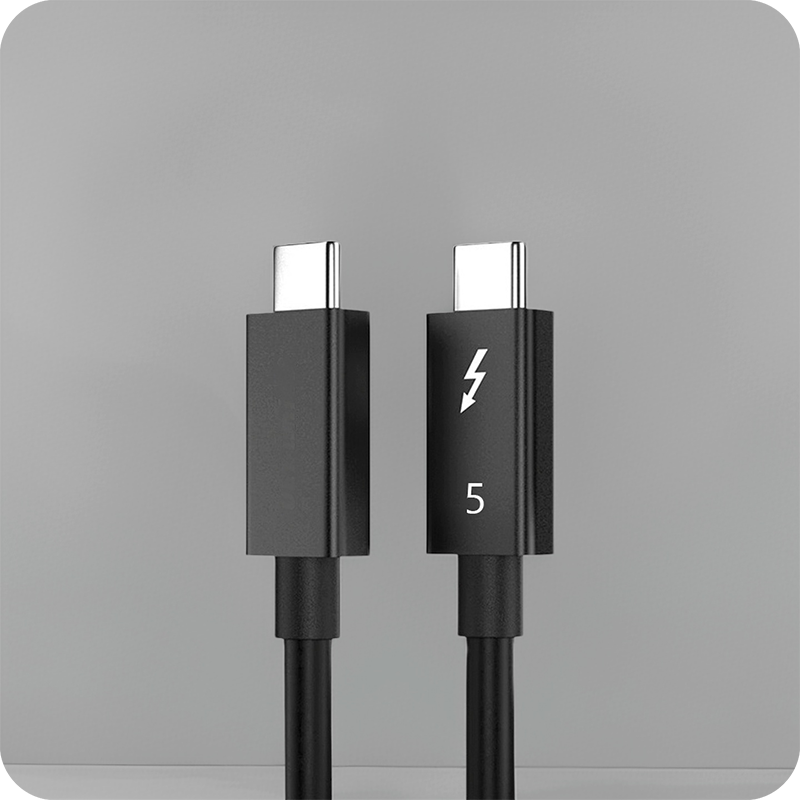
- Data: USB4 Version 2.0 at 80 Gbps (USB80G) becoming mainstream
- Power: USB PD 3.1 Extended Power Range enabling 240W charging
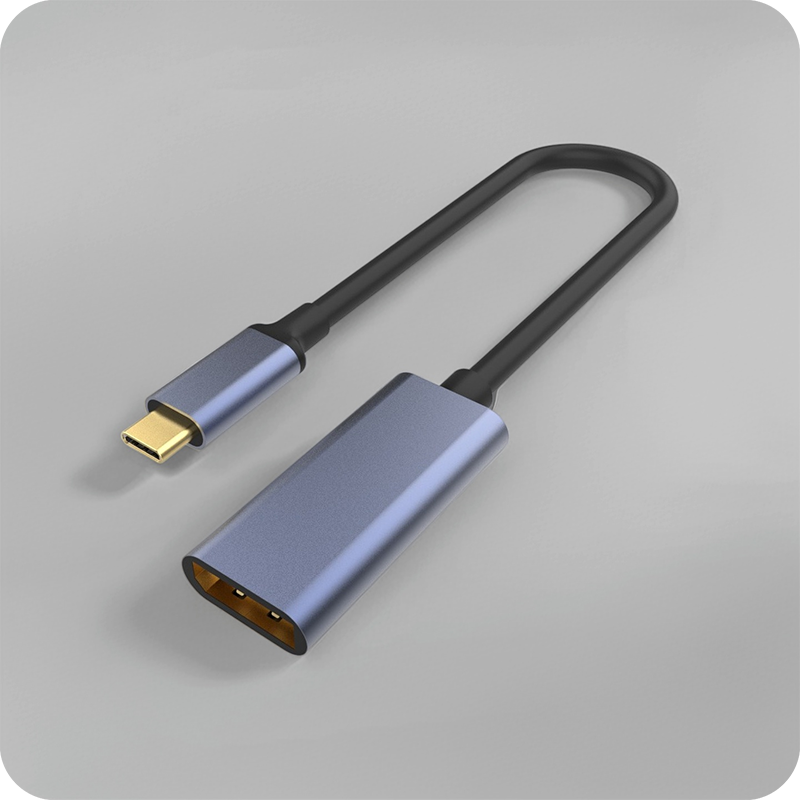
- Display: DisplayPort 2.1 Alt Mode supporting 8K displays over USB-C
- Audio: USB Audio Class 3.0 replacing 3.5mm jacks in premium devices
USB80G: The Next Speed Tier (2025-2026)
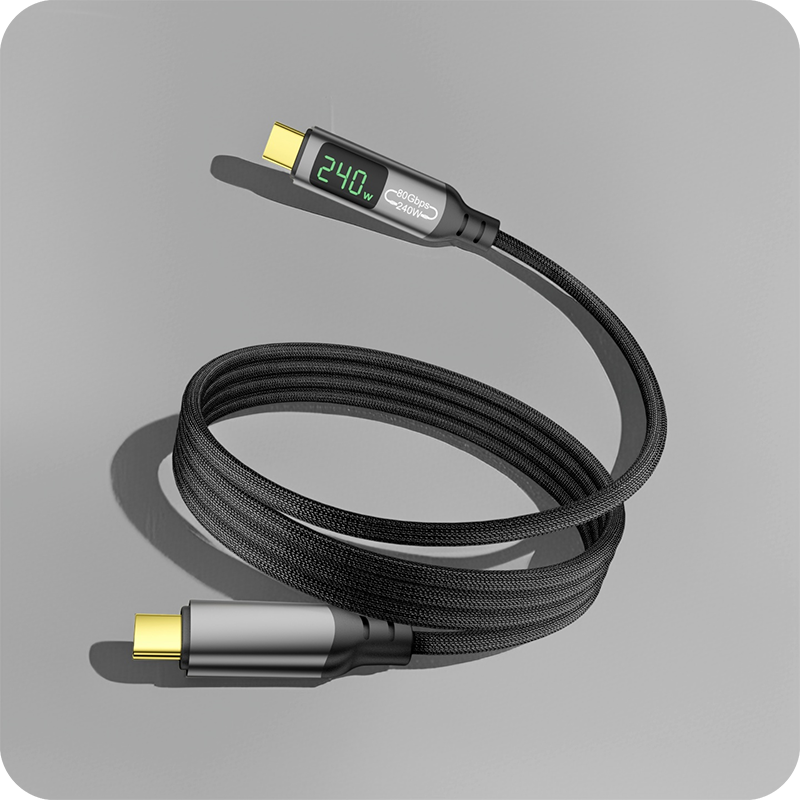
USB80G, formally designated by the USB-IF in 2024, is the next mainstream speed tier. Using the same physical USB-C connector, USB80G delivers 80 Gbps symmetric bandwidth through PAM-3 signaling:
USB80G Applications
- External GPUs: eGPU enclosures with full-speed PCIe 4.0 x4 connectivity
- 8K displays: Single-cable 8K at 60Hz or dual 4K at 120Hz displays
- Storage: External NVMe arrays at full internal speeds
- Pro video: Uncompressed video acquisition at 4K+ resolutions
240W Charging: EPR Adoption Accelerates (2026-2027)
Extended Power Range (EPR) USB-C Cables enabling 240W charging are becoming standard for laptops and power-hungry devices. By 2027, expect 240W USB-C charging to be available across:
| Device Category | Current Max | 2027 Projection | Benefit |
|---|---|---|---|
| Gaming Laptops | 100W | 240W | No proprietary chargers |
| Monitors | 65W | 240W | Single cable plus power |
| Docking Stations | 100W | 240W | Power dense workstations |
| Portable Displays | 45W | 100W | Larger screen support |
Optical USB-C: The Next Frontier (2027-2029)
Copper USB-C Cables face physical limitations at very high speeds and long distances. Optical USB-C Cables using fiber optics instead of copper conductors will enable:
Optical USB-C Advantages
- Ultra-high speeds: 200+ Gbps over multiple fiber pairs
- Longer distances: Up to 100 meters versus 2-5 meters for copper
- Lower latency: Light signals travel faster than electrical signals
- Immunity to EMI: No electromagnetic interference from nearby electronics
USB-C for AR/VR and Wearables (2026-2028)
Next-generation AR and VR headsets will push USB-C bandwidth requirements even higher:
- Eye tracking: High-bandwidth data from multiple cameras
- Higher resolution: 4K per eye becoming minimum standard
- Hand tracking: Multiple depth sensors generating continuous data streams
- Wireless handoff: USB-C as the wired backup when wireless is congested
Automotive USB-C Evolution (2026-2030)
Automotive USB-C is evolving from convenience feature to critical infrastructure:
Future Automotive USB Applications
- In-vehicle computing: USB-C as the standard for connecting mobile devices to car systems
- Charging infrastructure: USB-C ports becoming mandatory in new vehicles globally
- Telematics: USB-C for diagnostics and software updates
- V2X communication: USB-C as diagnostic and configuration interface
Sustainability and USB-C (2026-2030)
Environmental regulations will shape USB-C development:
- Cable longevity standards: Minimum 10-year lifespan requirements in the EU
- Recycled materials: Mandated percentage of recycled plastics and metals in cables
- Right to repair: Cable designs must support independent repair
- Carbon labeling: Required carbon footprint disclosure for USB-C products
USB-C and Wireless Convergence (2027-2030)
Wireless charging and data transfer will complement rather than replace USB-C:
- Hybrid cables: USB-C with integrated wireless receiver for convenience
- Continuity: USB-C as the wired fallback when wireless is unavailable
- Simultaneous use: USB-C ports supporting both wired and wireless charging protocols
Security Evolution (2026-2029)
USB-C security features are becoming increasingly important:
- Cable authentication: USB-IF expanding authentication requirements for USB-C
- Secure e-marker: Encrypted chip identification preventing counterfeit cables
- Power limiting: Automatic restriction of power delivery to untrusted cables
Conclusion
The USB-C story is far from complete. From optical conductors to 200W plus charging, the next five years will deliver capabilities that seem futuristic today. Stay ahead of the curve with Eilinks Electronics, your source for cutting-edge USB-C solutions.
The USB-C connector will remain the dominant standard through 2030 and beyond. The technology inside the cable will continue to evolve, but the physical connector is here to stay for the foreseeable future.
