
USB-C Cable Thermal Management Guide: Keeping Your Connections Cool
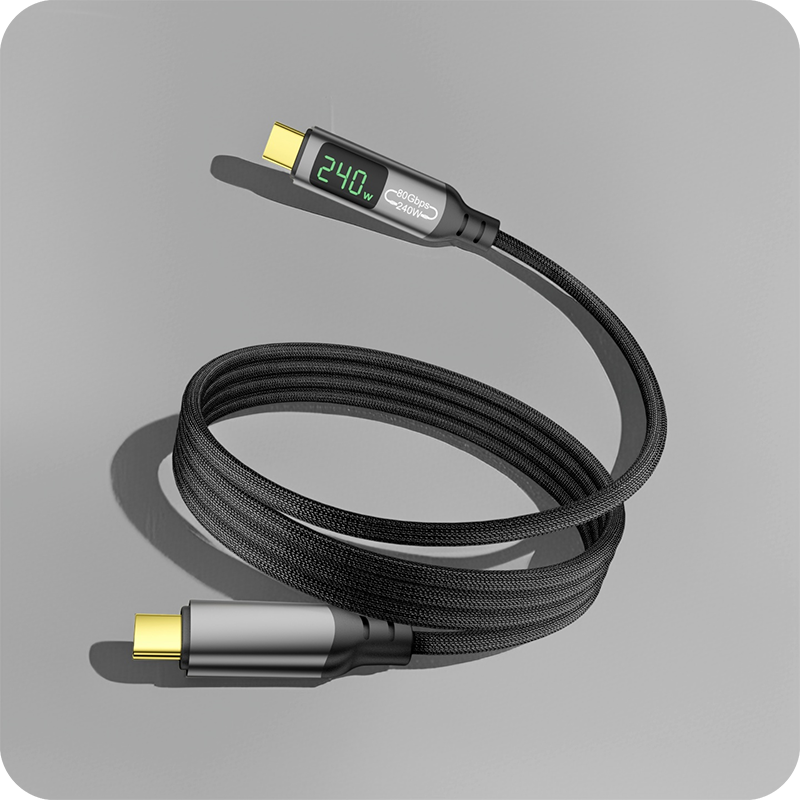
Effective USB-C cable thermal management has become increasingly critical as power delivery capabilities have expanded to 240W and data transfer rates approach 80Gbps. Heat generation in USB-C cables results from both resistive losses in conductors carrying high currents and signal integrity challenges at high frequencies, requiring careful engineering to ensure reliable operation under demanding conditions.
Understanding Heat Generation in USB-C Cables
USB-C cables generate heat through two primary mechanisms: DC resistance in power-carrying conductors and AC signal losses in high-frequency data transmission. Understanding these mechanisms guides cable selection and usage practices that minimize thermal issues.
Eilinks Electronics engineers USB-C cables with optimized conductor gauges, advanced insulation materials, and strategic shielding placement to minimize heat generation while maximizing performance across all operating conditions.
Power Delivery and Thermal Considerations
Current Flow and Resistive Heating
When USB-C cables carry high currents for power delivery, resistive heating occurs according to Ohm’s Law (P = I²R). A cable carrying 5A through a conductor with 100mΩ resistance generates 2.5W of heat along its length. At 240W EPR power levels requiring currents up to 5A at 48V, managing this thermal load becomes essential for cable longevity and safe operation.
Voltage Drop and Power Loss
Longer cables experience greater voltage drops and corresponding power losses, which convert directly to heat. USB-C cables for high-power applications use larger gauge conductors to minimize resistance, though practical limits exist on feasible conductor sizes within standard connector form factors.
| Cable Length | Typical AWG | Resistance (Vbus) | Power Loss @ 5A | Temperature Rise |
|---|---|---|---|---|
| 1 meter | 26-28 AWG | 50-70mΩ | 1.25-1.75W | Moderate |
| 2 meters | 24-26 AWG | 100-140mΩ | 2.5-3.5W | Significant |
| 3 meters | 22-24 AWG | 150-210mΩ | 3.75-5.25W | High |
| EPR Active | Varies | Compensated | Optimized | Managed |
High-Speed Data Transfer and Signal Integrity
At USB4 and Thunderbolt frequencies exceeding 10GHz, thermal management affects signal integrity through conductor material properties and dielectric losses. Rising temperatures increase conductor resistance and dielectric loss tangents, degrading signal quality at already challenging frequencies.
Skin Effect and Conductor Design
At high frequencies, current concentrates near conductor surfaces (skin effect), increasing effective resistance. Premium USB-C cables from Eilinks Electronics utilize silver-plated or tinned copper conductors that maintain conductivity at skin depths where signal current flows, minimizing losses and associated heating.
Shielding and Thermal Performance
EMI shielding in USB-C cables serves dual purposes, containing electromagnetic emissions while also affecting thermal dissipation. Cable designs must balance shielding effectiveness with adequate heat dissipation paths, often incorporating thermal interface materials that transfer heat from internal conductors to external surfaces.
Material Selection for Thermal Performance
Conductor Materials
Copper remains the standard conductor material for USB-C cables, offering excellent conductivity and formability. Oxygen-free copper (OFC) provides marginally better conductivity and corrosion resistance, while silver-plated OFC offers superior high-frequency performance for USB4 and Thunderbolt applications.
Insulation and Jacketing Materials
Modern USB-C cables employ advanced insulation materials including fluorinated ethylene propylene (FEP) and low-density polyethylene (LDPE), chosen for their excellent dielectric properties and thermal stability. Outer jackets typically use thermoplastic elastomers (TPE) or braided materials that withstand elevated temperatures while providing flexibility and durability.
Active Thermal Management Technologies
USB-C cables for extreme power delivery applications increasingly incorporate active thermal management features that monitor and regulate operating temperatures.
Temperature-Sensing Cables
Some premium USB-C cables incorporate temperature sensing conductors that allow connected devices to monitor cable temperature in real-time. Devices can throttle power delivery if temperatures approach safe limits, preventing damage while maintaining operation under controlled conditions.
Active Signal Conditioning
Active USB-C cables for USB4 and Thunderbolt applications include embedded chips that actively shape and regenerate signals, compensating for losses that would otherwise degrade performance. These active components require power, typically supplied through Vbus, and generate their own minor thermal loads that must factor into overall cable thermal design.
Best Practices for Thermal Management
Users can minimize thermal issues through proper cable selection and usage practices. Selecting cables rated for expected power levels and data rates ensures headroom for safe operation, while avoiding cable configurations that impede heat dissipation.
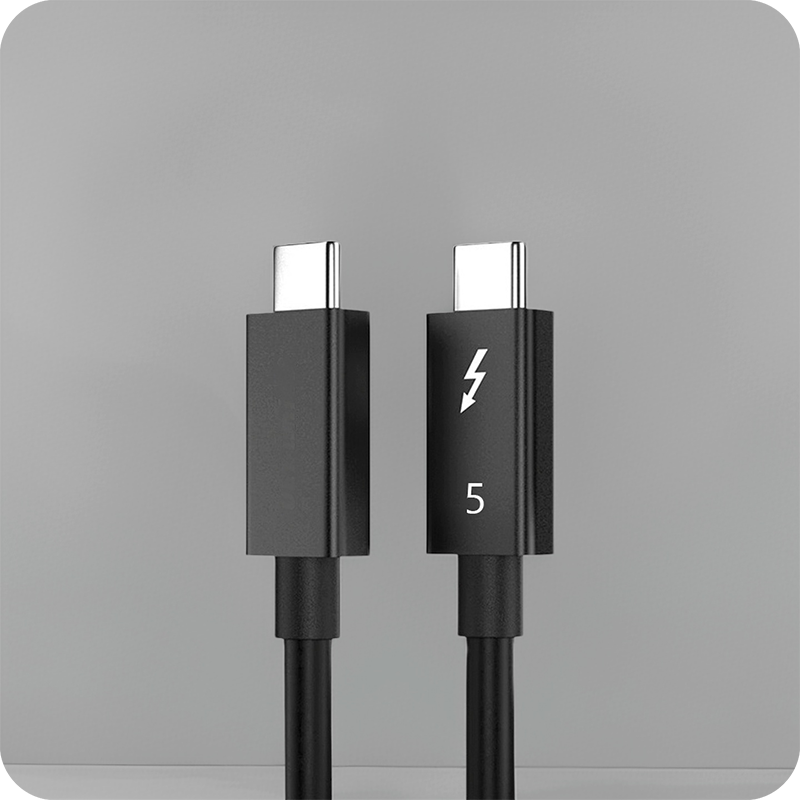
For USB-C cables with optimized thermal performance, Eilinks Electronics offers solutions rated for demanding power delivery and high-speed data applications. USB4 cables and Thunderbolt 4 cables incorporate advanced thermal management designs for professional applications.
Frequently Asked Questions
A: Cable warming indicates resistive heating from current flow, which is normal. Excessive heat may indicate undersized conductors or damaged cables.
A: Temperatures above 60°C can degrade cable materials over time. Cables should remain comfortable to touch during normal operation.
A: Yes, longer cables have higher total resistance, generating more heat from power delivery. Use shortest practical lengths for high-power applications.
A: Active cables use embedded electronics to condition signals and monitor temperatures, sometimes incorporating small fans or heat spreaders for thermal management.
