
USB-C Cable USB 3.2 vs USB4 vs Thunderbolt Speed Guide 2026
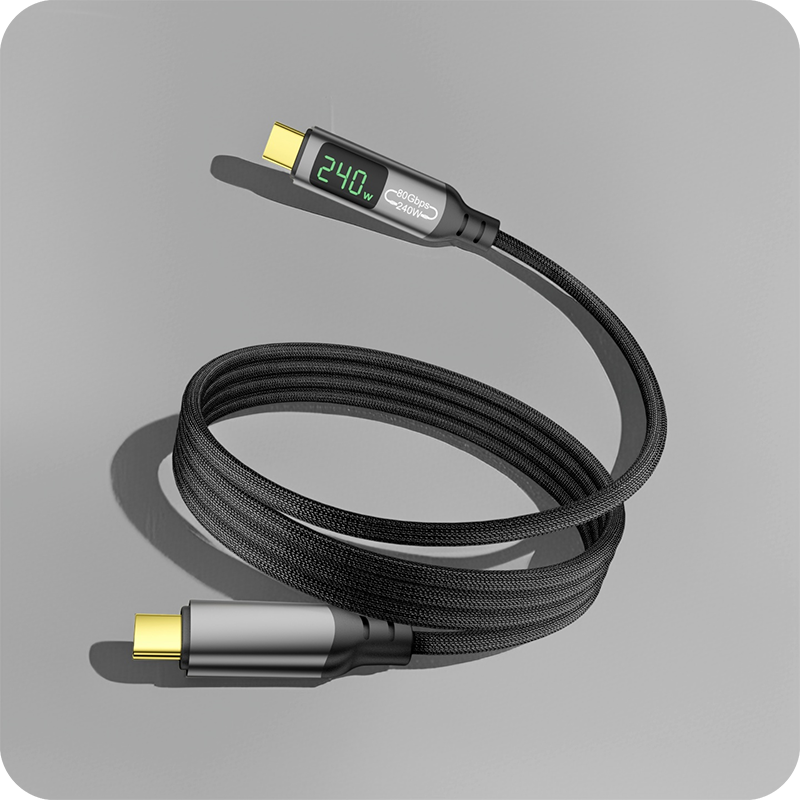
Navigating USB standards has become increasingly confusing with multiple generations and naming schemes coexisting in the market. USB 3.2 Gen 1, Gen 2, Gen 2×2, USB4, Thunderbolt 3, Thunderbolt 4, and now USB4 Version 2.0 each offer different capabilities. Eilinks Electronics clarifies these standards and helps you choose the right technology.
Understanding USB Naming Conventions
The USB Implementers Forum restructured naming conventions in 2019, creating the current USB 3.2 scheme. Understanding these names helps compare products and ensure compatibility.
USB Speed Naming History
| Current Name | Former Name | Speed | Also Known As |
|---|---|---|---|
| USB 3.2 Gen 1 | USB 3.0 | 5Gbps | USB 5Gbps |
| USB 3.2 Gen 2 | USB 3.1 Gen 2 | 10Gbps | USB 10Gbps |
| USB 3.2 Gen 2×2 | USB 3.1 Gen 2×2 | 20Gbps | USB 20Gbps |
| USB4 | – | 20/40Gbps | USB 40Gbps |
| USB4 Version 2.0 | – | 80/120Gbps | USB 80Gbps |
| Thunderbolt 3 | – | 40Gbps | TB3 |
| Thunderbolt 4 | – | 40Gbps | TB4 |
| Thunderbolt 5 | – | 80/120Gbps | TB5 |
USB 3.2 Standards Explained
USB 3.2 Gen 1 (5Gbps)
USB 3.2 Gen 1 represents the baseline for modern USB performance. This standard suffices for most peripherals including keyboards, mice, external hard drives, and standard flash drives. All USB-C cables should support at least USB 2.0 (480Mbps), but quality USB-C cables support Gen 1 as the minimum.
USB 3.2 Gen 2 (10Gbps)
Gen 2 doubles bandwidth to 10Gbps, ideal for faster external SSDs, 4K webcams, and high-resolution displays. Most premium smartphones and laptops support Gen 2, making it the current sweet spot for consumer devices.
USB 3.2 Gen 2×2 (20Gbps)
Gen 2×2 uses dual-lane operation to achieve 20Gbps but requires specific host and device support. Only certain USB-C ports implement the second lane necessary for Gen 2×2 operation. This standard is increasingly common in desktops and high-end laptops.
USB4 Overview
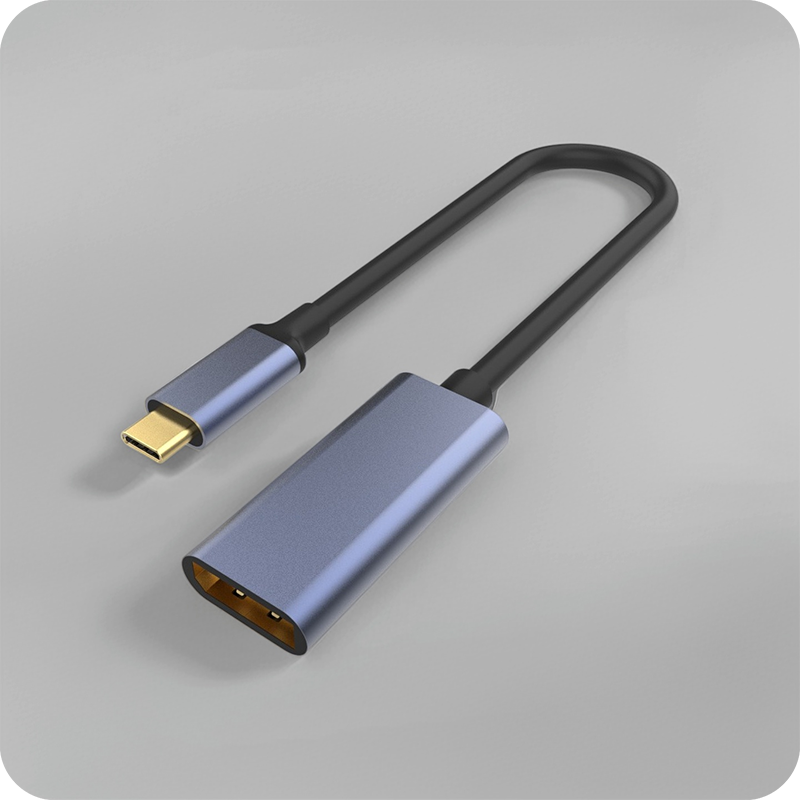
USB4 unifies USB protocols under a single architecture, combining USB data, display data, and power delivery through a single connection. USB4 mandates certain features that remain optional in USB 3.2:
- Required DisplayPort tunneling for video output
- Required USB Power Delivery support
- Minimum 20Gbps bandwidth (40Gbps optional)
- Required Thunderbolt compatibility (for USB4 branding)
USB4 vs USB 3.2 Gen 2×2
While USB 3.2 Gen 2×2 matches USB4’s 20Gbps speed, USB4 offers additional capabilities including dual-protocol data tunneling, host-to-host connectivity, and guaranteed minimum feature sets. USB4 represents a more complete connectivity solution.
Thunderbolt Standards
Thunderbolt 3
Thunderbolt 3 pioneered 40Gbps bandwidth over USB-C, enabling external GPUs, high-speed storage, and multiple displays through a single port. TB3 cables can carry USB data, DisplayPort video, and PCIe data simultaneously.
Thunderbolt 4
Thunderbolt 4 maintains 40Gbps bandwidth but standardizes minimum requirements that were optional in TB3. All TB4 certified products support dual 4K displays, PCIe 32Gbps (minimum), and wake from sleep. Thunderbolt 4 cables represent the premium choice for demanding users.
Thunderbolt 5
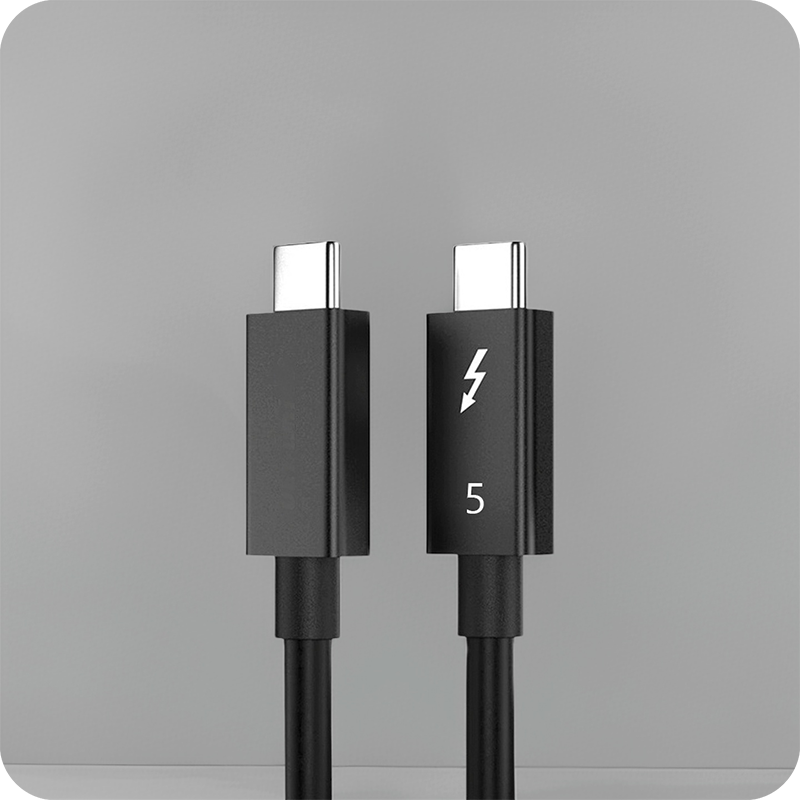
Thunderbolt 5 doubles symmetric bandwidth to 80Gbps with 120Gbps asymmetric mode. With PCIe 4.0 tunneling and DisplayPort 2.1 support, TB5 enables next-generation external GPUs and storage arrays.
Choosing the Right Standard
For everyday peripherals, USB 3.2 Gen 2 cables offer excellent value. Professionals with external GPUs or high-speed storage should invest in USB4 or Thunderbolt 4 cables. USB4 cables from Eilinks Electronics provide the best combination of speed, compatibility, and future-proofing.
Frequently Asked Questions
A: USB4 and Thunderbolt 4 share the same 40Gbps speed and many features. Thunderbolt adds mandatory minimum specifications and includes dedicated validation testing that USB4 leaves optional.
A: Thunderbolt cables are required for Thunderbolt features. USB-C cables may work for basic USB data and charging but won’t support PCIe tunneling or guaranteed minimum bandwidth.
A: For USB data and charging, yes. For Thunderbolt-specific features like eGPU or PCIe tunneling, use certified Thunderbolt cables to ensure proper functionality.
