
USB-C Cable USB 3.2 vs USB4 vs Thunderbolt Speed Guide 2026
Navigating the differences between USB-C cable USB 3.2 vs USB4 vs Thunderbolt speeds in 2026 can be confusing, with overlapping specifications and marketing jargon making it hard to know which cable delivers what performance. This comprehensive guide from Eilinks Electronics cuts through the confusion, providing clear comparisons of every major USB-C cable standard. Whether you need a basic USB-C cable for charging or a Thunderbolt 5 cable for professional workloads, this guide has you covered.
Complete Speed Comparison Table
Let us start with the definitive comparison of all USB-C cable speed standards available in 2026:
| Standard | Max Data Speed | Max Charging | Protocol Tunneling | Typical Price Range |
|---|---|---|---|---|
| USB 2.0 | 480 Mbps | 60W | None | $3-8 |
| USB 3.2 Gen 1 (USB 3.0) | 5 Gbps | 100W | None | $6-12 |
| USB 3.2 Gen 2 | 10 Gbps | 100W | None | $8-15 |
| USB 3.2 Gen 2×2 | 20 Gbps | 100W | None | $12-20 |
| USB4 Gen 2×2 (v1.0) | 20 Gbps | 100W | USB 3.2, DP 1.4 | $15-25 |
| USB4 Gen 3×2 (v1.0) | 40 Gbps | 100W | USB 3.2, DP 1.4, PCIe | $20-35 |
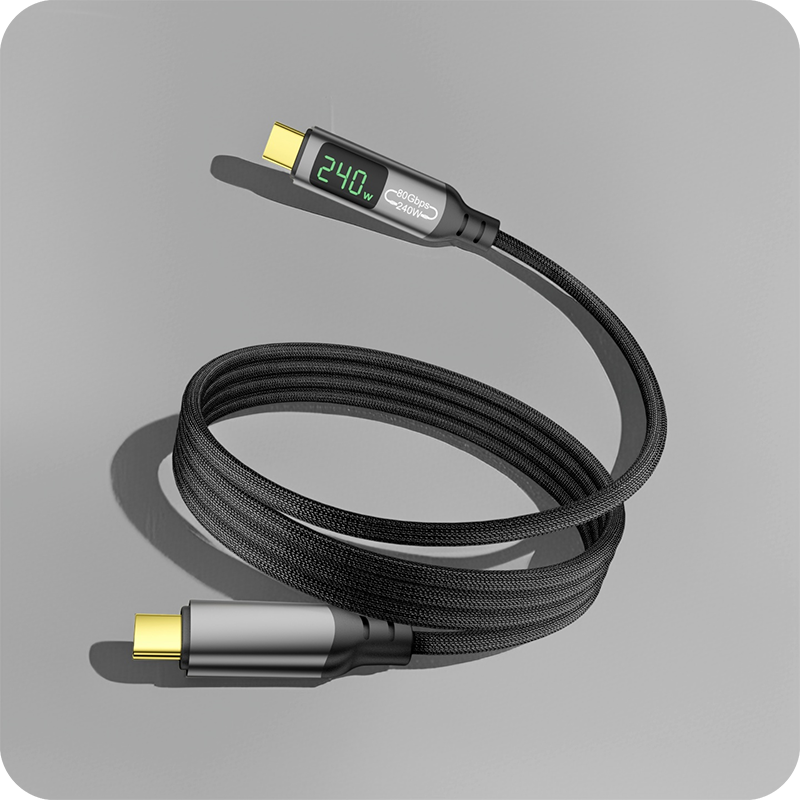
| USB4 v2.0 Gen 4 | 80 Gbps | 240W | USB 3.2, DP 2.1, PCIe 4.0 | $30-50 |
| Thunderbolt 3 | 40 Gbps | 100W | DP 1.4, PCIe 3.0 | $20-35 |
| Thunderbolt 4 | 40 Gbps | 100W | DP 1.4, PCIe 3.0 | $25-40 |
| Thunderbolt 5 | 80 Gbps (120 asym) | 240W | DP 2.1, PCIe 4.0 | $40-70 |
USB 3.2 Family Explained
The USB 3.2 family is the most commonly encountered USB-C cable standard. Despite its single version number, it encompasses three distinct speed tiers that can cause significant confusion:
USB 3.2 Gen 1 (Formerly USB 3.0 / USB 3.1 Gen 1)
Running at 5Gbps, this is the baseline high-speed USB standard. It uses a single TX/RX lane pair and is sufficient for most peripherals, external HDDs, and 1080p webcam connections. Eilinks Electronics Gen 1 cables are affordable and widely compatible.
USB 3.2 Gen 2 (Formerly USB 3.1 Gen 2)
Doubling the speed to 10Gbps, Gen 2 uses the same single-lane architecture with more efficient 128b/132b encoding. This is the sweet spot for SATA SSD enclosures and 4K display adapters. Eilinks Electronics Gen 2 cables deliver consistent 10Gbps throughput.
USB 3.2 Gen 2×2
This standard uses two lanes simultaneously to achieve 20Gbps. It requires a USB-C cable with all high-speed differential pairs properly connected. Gen 2×2 is popular for high-speed NVMe enclosures but requires both host and device to support the dual-lane mode.
USB4: The Unified Standard
USB4 consolidates the USB and Thunderbolt protocols into a single specification. Based on the Thunderbolt protocol licensed from Intel, USB4 introduces protocol tunneling – the ability to carry USB, DisplayPort, and PCIe traffic simultaneously over a single connection.
USB4 Version 1.0
| Mode | Speed | Lanes | Tunneling |
|---|---|---|---|
| USB4 Gen 2×2 | 20 Gbps | 2 lanes at 10 Gbps | USB 3.2, DP 1.4 |
| USB4 Gen 3×2 | 40 Gbps | 2 lanes at 20 Gbps | USB 3.2, DP 1.4, PCIe |
USB4 Version 2.0
The latest USB4 specification doubles speeds using PAM3 encoding. A USB4 v2.0 cable from Eilinks Electronics supports 80Gbps symmetric or 120Gbps asymmetric bandwidth, making it ideal for 8K displays and high-speed storage.
Thunderbolt: The Premium Tier
Thunderbolt, developed by Intel, represents the premium tier of USB-C cable performance. While USB4 shares Thunderbolt technology, Thunderbolt certification guarantees mandatory features that USB4 makes optional.
Thunderbolt 3 vs Thunderbolt 4
Many users wonder about the difference between TB3 and TB4, as both advertise 40Gbps. The key distinctions are:
| Feature | Thunderbolt 3 | Thunderbolt 4 |
|---|---|---|
| Max Data Speed | 40 Gbps | 40 Gbps |
| PCIe Bandwidth | 16 Gbps (minimum) | 32 Gbps (mandatory) |
| Display Support | 1x 4K minimum | 2x 4K minimum |
| Power | Up to 100W | Up to 100W |
| USB4 Compatibility | No | Yes (required) |
| Cable Certification | Variable | Mandatory |
Thunderbolt 5: The New Standard
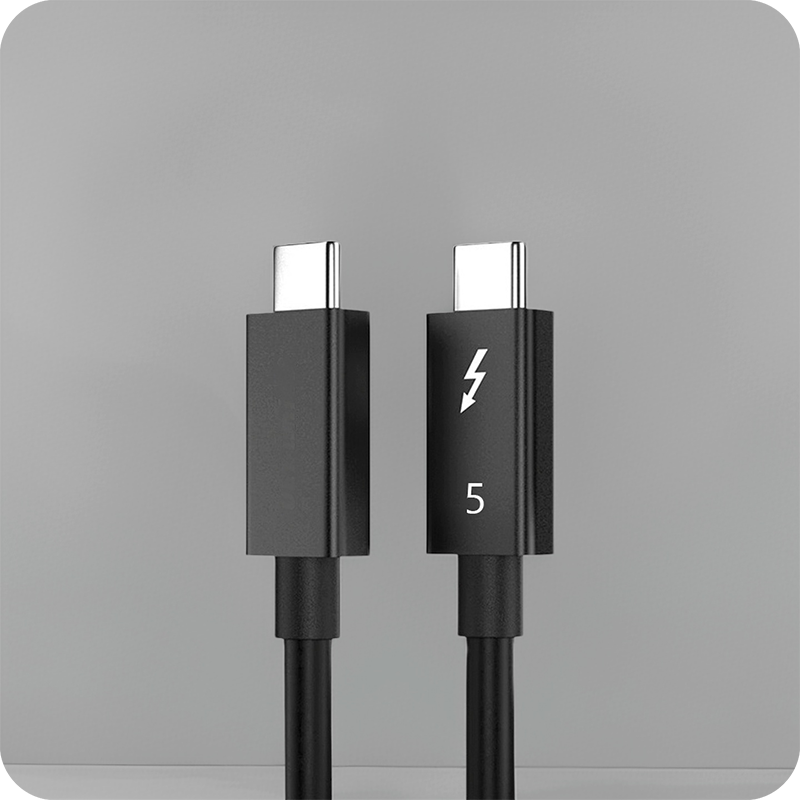
Thunderbolt 5 represents the pinnacle of USB-C cable performance in 2026. With 80Gbps symmetric bandwidth, 120Gbps asymmetric mode, 240W charging, and mandatory PCIe 4.0 x4 tunneling, it is designed for the most demanding professional workflows. Eilinks Electronics Thunderbolt 5 cables are among the first certified products available.
Which Cable Do You Actually Need?
Choosing between USB 3.2, USB4, and Thunderbolt depends on your specific use case. Here is a practical decision guide:
| Use Case | Minimum Standard | Recommended Cable |
|---|---|---|
| Charging only (any device) | USB 2.0 | USB-C charging cable |
| External HDD / basic peripherals | USB 3.2 Gen 1 | 5Gbps USB-C cable |
| SATA SSD / 4K single display | USB 3.2 Gen 2 | 10Gbps USB-C cable |
| NVMe SSD (20Gbps) / dual display | USB 3.2 Gen 2×2 | 20Gbps USB-C cable |
| Single-cable dock / eGPU | Thunderbolt 4 | TB4 cable |
| 8K display / pro storage / eGPU | Thunderbolt 5 | TB5 cable |
Backward Compatibility Explained
All USB-C cables are backward compatible with lower-speed standards. A Thunderbolt 5 cable will work with a USB 3.2 Gen 1 port at 5Gbps. However, the reverse is not true – a USB 3.2 cable will not work with Thunderbolt devices that require protocol tunneling. Eilinks Electronics recommends buying the highest-speed cable your budget allows, as this provides the most flexibility for future upgrades.
FAQ Section
Is USB4 the same as Thunderbolt 4?
No. While USB4 Gen 3×2 and Thunderbolt 4 both offer 40Gbps, Thunderbolt 4 mandates PCIe tunneling, dual 4K display support, and strict certification. USB4 makes some of these features optional. A Thunderbolt 4 cable is guaranteed to support all TB4 features.
Can a USB 3.2 cable work with Thunderbolt?
A USB 3.2 USB-C cable will physically connect to a Thunderbolt port, but it will not support Thunderbolt protocol tunneling. The connection will fall back to USB 3.2 speeds and features only.
Is USB4 v2.0 faster than Thunderbolt 4?
Yes. USB4 v2.0 supports 80Gbps compared to Thunderbolt 4 at 40Gbps. However, Thunderbolt 5 matches USB4 v2.0 at 80Gbps with additional mandatory features. Eilinks Electronics offers both options.
Do I need a Thunderbolt cable for an external display?
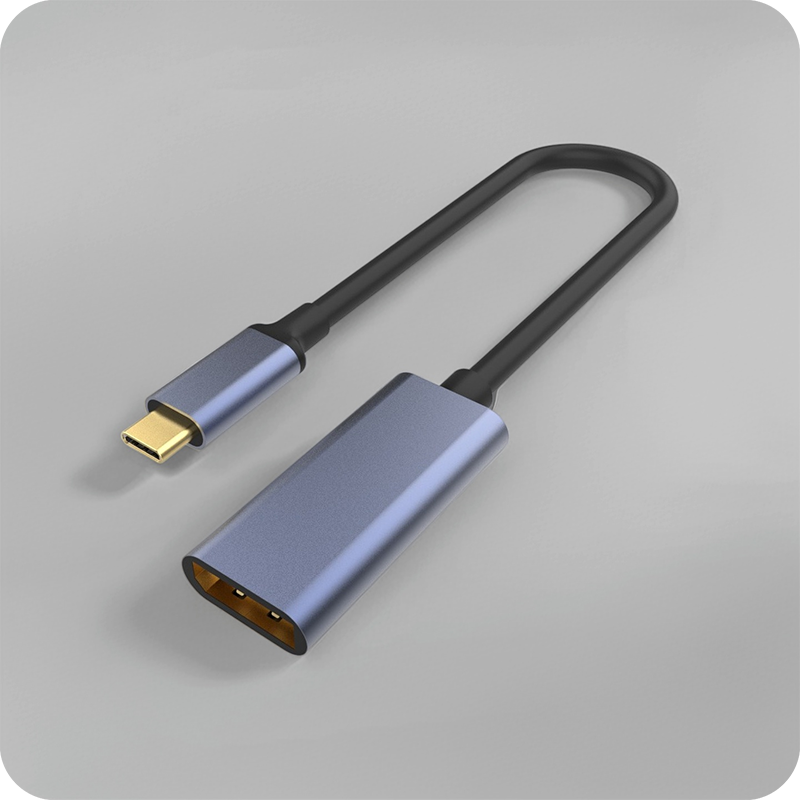
It depends on the display. A single 4K@60Hz display works with USB 3.2 Gen 2 using DisplayPort Alt Mode. For dual 4K displays, 6K+ displays, or 8K displays, you need USB4 or Thunderbolt 5.
Why are Thunderbolt cables more expensive?
Thunderbolt cables require certified eMarker chips, stricter signal integrity testing, and mandatory USB-IF and Intel certification. The higher cost reflects the more rigorous testing and guaranteed performance that Thunderbolt certification demands. Eilinks Electronics offers competitive pricing on all certified cables.
