
USB-C Charging Speed Explained: From 18W to 240W Power Delivery
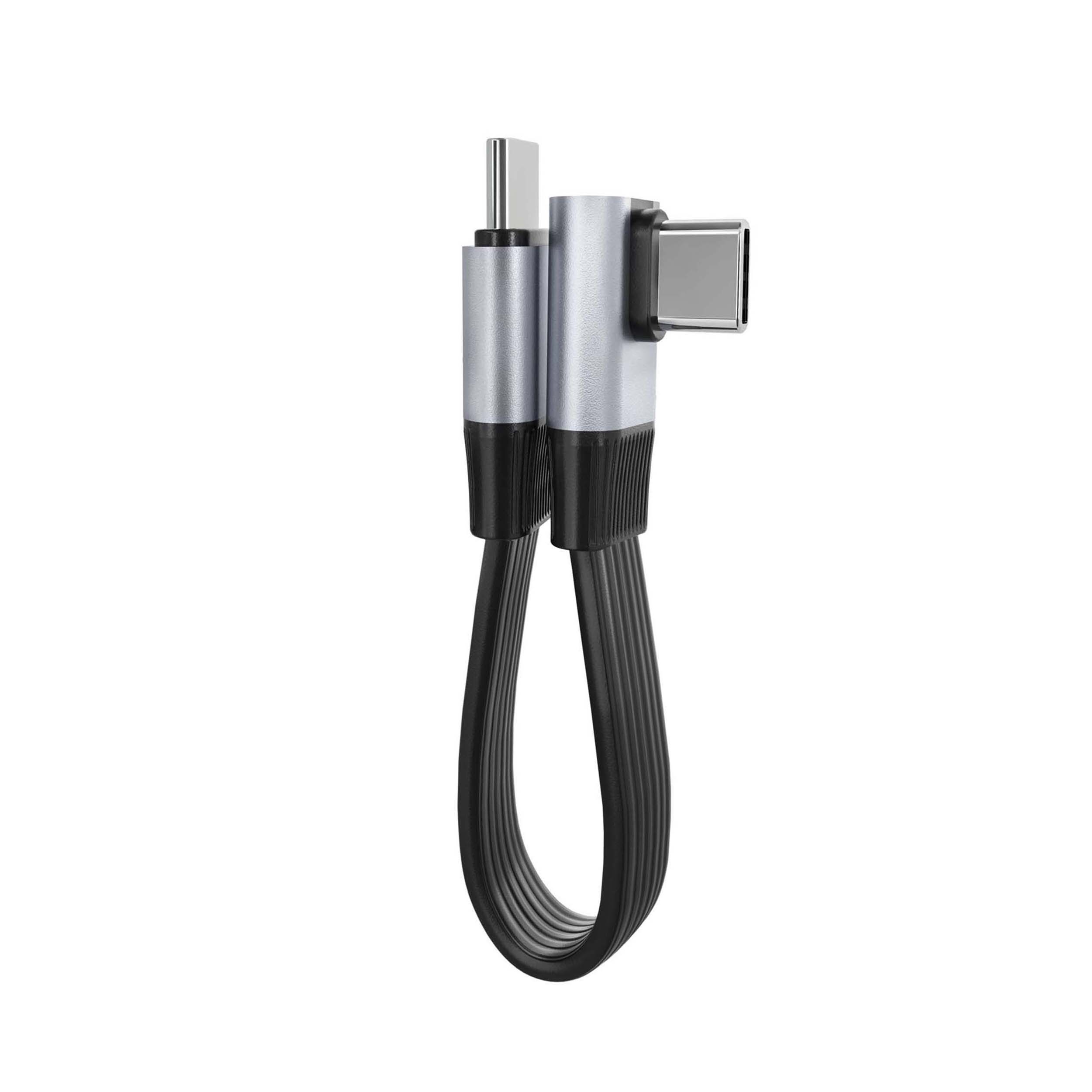
The evolution of USB-C cable charging technology has been nothing short of remarkable. What started as convenient 5W phone charging has transformed into a universal power delivery system capable of charging laptops at up to 240W USB-C. Understanding how charging speeds work helps you choose the right cables and avoid slow-charging frustrations.
How USB-C Power Delivery Works
USB Power Delivery (PD) is the protocol that enables variable power negotiation between devices and chargers. Unlike older USB standards that delivered fixed voltages, PD allows the connected devices to “negotiate” the optimal power level:
- Negotiation process: Source and sink exchange capability data within milliseconds
- Voltage options: 5V, 9V, 15V, 20V, and with EPR (Extended Power Range) up to 28V, 36V, or 48V
- Current limits: Up to 5A standard, up to 5A EPR (with enhanced signaling)
- Safety features: Over-current, over-voltage, and over-temperature protection built into every certified cable
The Evolution of USB-C Charging Speeds
| Standard | Max Power | Voltage/Current | Cable Requirement | Year Introduced |
|---|---|---|---|---|
| BC 1.2 | 7.5W | 5V / 1.5A | Basic USB-C | 2010 |
| USB PD 2.0 | 100W | 20V / 5A | EMark chip required for 5A | 2014 |
| USB PD 3.0 | 100W | 20V / 5A | + Programmable Power Supply (PPS) | 2017 |
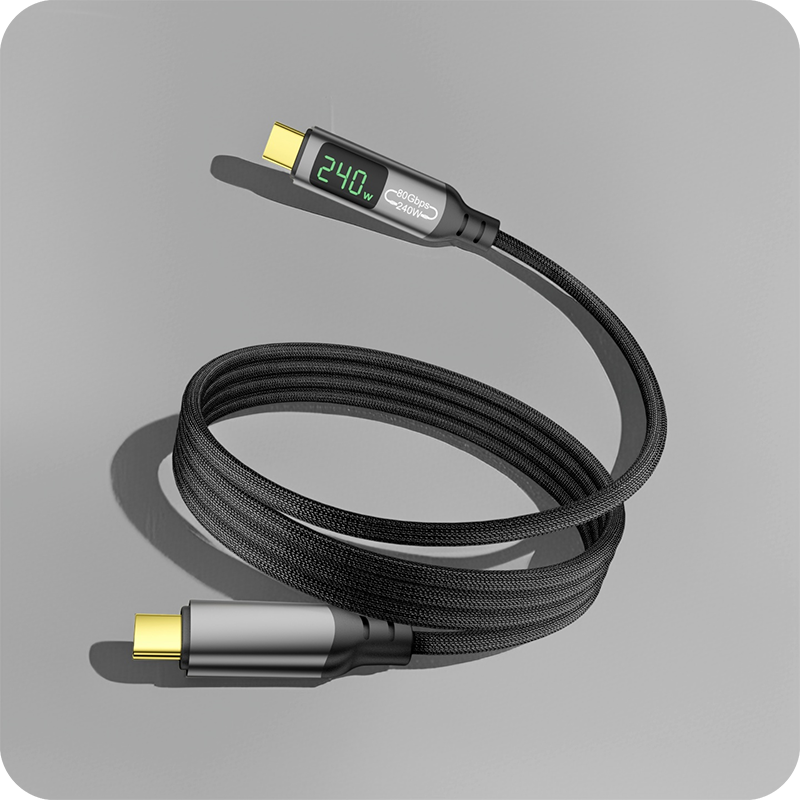
| USB PD 3.1 | 240W USB-C | 48V / 5A (EPR) | EPR-certified cable mandatory | 2021 |
The jump from 100W to 240W USB-C with PD 3.1 fundamentally changed which devices can be charged via USB-C. Gaming laptops, workstations, and even small monitors now charge through the same port used for phones.
What Is 240W USB-C Charging?
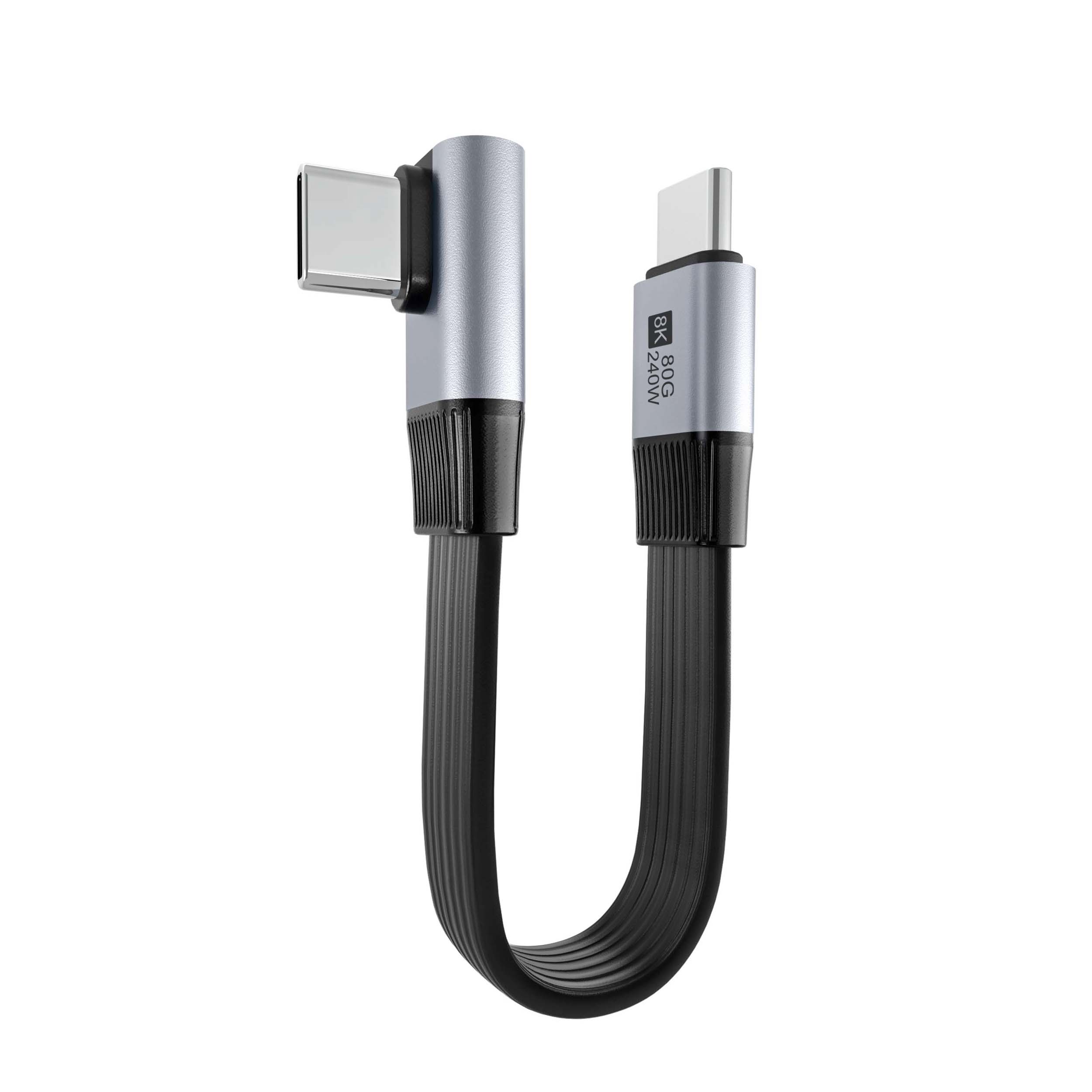
The 240W USB-C specification, formally known as Extended Power Range (EPR), operates at up to 48 volts with 5 amperes current. This requires specialized cables because standard USB-C cables cannot safely carry that much power without risk.
An EPR-certified EPR cable must meet strict requirements set by the USB Implementers Forum (USB-IF):
- Enhanced identification: The internal eMarker chip identifies itself as EPR-capable
- Improved conductor gauge: Thicker copper wires handle higher currents with less voltage drop
- Better insulation materials: Higher temperature-rated outer jacket prevents melting under load
- Stricter impedance control: Ensures reliable signal integrity at high power levels
At Eilinks Electronics, our EPR cable lineup undergoes rigorous testing including thermal cycling, bend fatigue, and continuous load testing to ensure safety under real-world conditions.
Devices That Benefit from 240W Charging
- Gaming laptops (ASUS ROG, Razer Blade Pro)
- Mobile workstations (Dell Precision, Lenovo ThinkPad P-series)
- All-in-one desktop monitors with USB-C input
- Professional video equipment (cameras, lighting rigs, field monitors)
- Portable power stations and solar generators
Why Your Cable Matters More Than Your Charger
A common misconception is that buying a high-wattage charger guarantees fast charging. In reality, the USB-C cable is often the bottleneck:
- No EMark chip: Limits charging to 60W regardless of charger capacity
- Older EMark (non-EPR): Caps at 100W even with a 140W+ charger
- Thin conductors: Cause voltage drop that reduces effective power delivery
- Damaged connectors: Create resistance that triggers safety shutdowns
If you own a laptop requiring more than 100W, you absolutely need an EPR-rated cable. Using a standard cable will limit your charging speed to 100W maximum, meaning longer charge times and potential performance throttling while plugged in.
Faster vs Slower Charging: Real-World Impact
| Device | Battery Capacity | @18W Charge Time | @65W Charge Time | @240W USB-C Charge Time |
|---|---|---|---|---|
| Smartphone (5000mAh) | 18.5Wh | ~62 min | ~17 min | ~17 min |
| Tablet (8000mAh) | 30Wh | ~100 min | ~28 min | ~28 min |
| Ultrabook Laptop (57Wh) | 57Wh | ~190 min | ~53 min | ~14 min |
| Gaming Laptop (99Wh) | 99Wh | 330+ min | ~92 min | ~25 min |
Note: Times are approximate and assume 85% charging efficiency. Actual results vary by device.
Tips for Maximum USB-C Charging Performance
- Match your cable to your device’s max wattage – Don’t use a 60W cable for a 140W laptop
- Use direct connections when possible – Each hub/dock adds resistance and overhead
- Check both ends – Some cables are USB-A to USB-C, which caps at lower wattages
- Replace aging cables annually – Internal conductor degradation increases over time
- Buy from certified manufacturers – Non-compliant cables can damage your devices or create fire hazards
Need Reliable High-Power USB-C Cables?
Eilinks Electronics manufactures USB-IF certified EPR cable products supporting up to 240W. Request free samples and volume pricing at our contact page.
The Future of USB-C Charging
With the EU mandating USB-C as the universal charger standard and Apple fully adopting it across its product line, the ecosystem has never been healthier. The next frontier includes:
- Bidirectional power sharing: Laptops charging phones and vice versa automatically
- Smart power management: AI-driven allocation based on device priority and battery health
- Wireless charging integration: Hybrid wired/wireless systems using USB-C as primary
- Higher efficiency targets: Reducing conversion losses below 5% across all power levels
Whether you’re sourcing USB-C cable products for retail packaging or developing custom solutions for OEM applications, Eilinks Electronics provides end-to-end support from design consultation to mass production. Explore our full range of power delivery cables at USB-C Cable category.
